Arcade
The very first game
Galaxy Game was developed in 1971 and is an expanded version of the 1962 Spacewar! game, Even though this was technically the second video game to be made due to Spacewar! being in the way, this was in fact the first arcade game to gain popularity and spread to multiple computer game instalments. The gameplay is simple and involves two spaceships known as "the needle" and "the wedge", both of these spaceships are controlled by a player each and the aim is to blow one another up. In the centre of a screen is a star which pulls the ships towards it creating a gravity well, the spaceships both have a limited number of torpedoes and limited use of fuel which depletes when thrusters are used. The player cannot touch the star or their ship will be destroyed meaning that they will have to use skill to position their ships to their advantage. There is nothing more to this game and is very very bare and although this may be the first game to have multiple instalments, it was not the first mass manufactured game.
The very first game
Galaxy Game was developed in 1971 and is an expanded version of the 1962 Spacewar! game, Even though this was technically the second video game to be made due to Spacewar! being in the way, this was in fact the first arcade game to gain popularity and spread to multiple computer game instalments. The gameplay is simple and involves two spaceships known as "the needle" and "the wedge", both of these spaceships are controlled by a player each and the aim is to blow one another up. In the centre of a screen is a star which pulls the ships towards it creating a gravity well, the spaceships both have a limited number of torpedoes and limited use of fuel which depletes when thrusters are used. The player cannot touch the star or their ship will be destroyed meaning that they will have to use skill to position their ships to their advantage. There is nothing more to this game and is very very bare and although this may be the first game to have multiple instalments, it was not the first mass manufactured game.
The first mass manufactured game and earliest famous game
The very first mass manufactured arcade machine came out in 1971 and is known as computer space, it is a bare game with the objective being for the player to pilot one ship and shoot flying saucers while avoiding their bullets. There is nothing more to the game play and is as simple as a video game can get, there is no RAM (Random Access Memory), processor or ROM (Read Only Memory) involved in this games hardware. The highest score you can get to is 15 before the game resets and below is a video to show how the game plays.
Within the next year one of the most famous earliest games was made, this game was known as pong and played like the real life game of ping pong but from a birds eye perspective and kicked off the arcade popularity by becoming a mainstream game for millions of people even to this day. This game was developed by Atari and helped to establish the video game industry.
The growing industry
Arcade gaming was at one point the main area for gaming, in the past when people couldn't afford the new consoles they would have to resort to arcade gaming. It was a social place for friends to meet up ( and still can be) to share the gaming experience whether that be to play a coop game such as the Simpsons where they would have to fight through each stage to rescue Maggie or they would go head to head of a fighting game like street fighter to see who was batter than the other. Every early arcade game used raster graphics due to low budgets and the limitations of technology at that time. During the late 1970's a "golden age" happened with games becoming heavily recognised and praised, it was during this time that the popularity began to rise in America. This golden age happened between 1978 - 1983 and the first game to become recognised for ushering in this age was the arcade game known as space invaders, a highly popular game and considered a classic to play. In 1979 the gaming industry saw the introduction of vector display technology. By 1981 the video game industry had grown so large that it was worth $8 billion dollars showing how much people were getting into gaming in arcades.
The Simpsons arcade game was released in 1991, as you can see graphics have come a long way since the 1970's, even though they are still raster graphics you can see how the industry has gotten better with its hardware and how funding has made games have better graphics, game-play and stories.
The hardware of arcade machines
What makes an arcade machine an arcade machine is its hardware, the arcade machines will be made out of wooden or plastic casings with a cartoon print of the game on the sides and top of the machine. The player will control the game using joysticks and command buttons, the joystick to move the character around and the command buttons to use different attacks. The screen usually has a low resolution and low graphics due to budgets and technology and they are all coin operated machines meaning that you have to pay a certain amount into the machine to play, if money is not placed into the coin slot or the required amount is not met then it will not allow the player to play the game.

With all technology hardware they have grown and developed over the years to offer a better experience to the players, games got better graphics some using vector graphics in some arcade games (such as games like time crisis, house of the dead, ghost squad etc.) and raster graphics in other arcade games. Both of these graphic types have had a huge upgrade since their releases making for a better experience. As more games got released some of them used a light gun and became shooters instead of using the typical button and joystick. In these types of games the camera would move through the stages of the game for the player to shoot multiple enemies in different areas, the player had no control over where the characters went (except for in some gays where you could make a decision on whether to take a left or right route).
Below is a arcade game which got ported over to the PS3 and so what you're seeing is PS3 game-play however, it still runs the same as it does on the arcade machine just with the player allowing to change multiple game settings such as lives, the difficulty how much violence there is etc. As you can see the player would use a fake plastic gun to aim at the screen, the screen would have a form of detecting technology to allow the player to aim the gun at certain areas of the screen and shoot the oncoming enemies.
With all arcade machines they have their advantages and disadvantages, the advantages of arcade gaming are that you get an experience you can't achieve anywhere else, an example would be the star wars battle pod arcade games you wouldn't sit inside of this "pod" type capsule and play video games like that at home, it brings this unique part of gaming that allows you to value the video games in a different light compared to home console gaming.

Another advantage is that it is cheap and easy to play, instead of having to pay hundreds of pounds to get the new TV, console and game with updated graphics and then trying to set it up you can pay a pound and jump straight into the game. A final advantage is without arcade gaming we wouldn't have the industry we have today, arcade gaming is a huge part of the industry and brought a popular light to the video game industry. Without arcade gaming home consoles may never have been made meaning gaming would be a rare hobby if invented at all.
There are also disadvantages that come along with Arcade gaming such as the size of the machine. If you wanted to buy an arcade machine and take it home there are two problems, the first is that it is not made to be portable like the consoles we have today, they are built to be placed into one area for a long time. The second problem is if you do manage to get the arcade machine home then it will take up a huge amount of space.
Another disadvantage is that once you pay you don't keep the game unlike console gaming. Once you buy a playstation game, xbox game etc. You keep that game forever and can play it at anytime. With arcade gaming you pay for one experience that will last a certain time depending on how good you are at the game. Once you die or finish the game you have to pay to play again meaning that you can spend over the amount that a usual video game costs making some arcade machines quite expensive.

A final disadvantage is that due to the amount of money spent on arcade machines they are quite low in quality for both graphics and game play, the player becomes limited to the whole experience and only certain genres can be found within arcade gaming making other genres (such as free roaming games) obsolete. In conclusion, arcade gaming comes with both its advantages and disadvantages but are still a huge part of the gaming industry that shouldn't be disregarded for the new age of technology. As the years are going all technology is increasing and becoming a lot better and example of the ever creasing technology is an arcade machine created within the last few years, it uses eye detecting technology to calibrate the players eyes and follow where they are looking. The aim of the game is to protect Earth from the oncoming asteroids.
MAME
MAME is a free and open source emulator created for modern day computers and is designed to recreate the hardware of arcade game systems in software. The first public MAME release was on February 5th 1997, although it supports over seven thousand unique games although not all arcade games are supported. A side emulator has also been created known as MESS, this was based upon the MAME core and has been integrated into the MAME software in 2015. The MESS emulator is used to emulate old console games onto the new modern computer system.
Consoles
The history of home consoles
1972 was the year when home consoles was first introduced by Magnavox who created the Odyssey, the console only offered 28 games to the audience. The console was not the most successful (selling only 100,000 units) and stopped having games created for it after 1973. This console marked the beginning of the video game industry. Atari were the second company to bring out a home console, in the year 1974 they released the pong console which was a console that played only the well known game of pong. This console sold extremely well due to the popularity of the pong game. Atari also released the Atari 2600 and 5200 between the years 1977 and 1982, these consoles helped to solidify the gaming industry and allowed the home console to grow to what it is today.
During 1983 video games and the industry experienced a huge crash especially with games on the Atari 2600 when games like E.T and the 2600 version of pac man were hyped up yet delivered poorly. This caused many games companies to go bankrupt abandoning their consoles and created video games, consumers and retailers lost faith in the market and all North American games consoles were discontinued by 1984. It was with the NES that the market became popular once against due to its detailed graphics and amazing games. The NES was the highest selling console in all of North America and gave birth to one of the most globally recognised characters of the gaming world. Mario became this global icon with his appearances in the Super Mario Bros.
Eighth generation
The newest consoles for people to use are the PS4, Xbox one and Wii U. Each company have been in competition for around 16 years competing to sell as many units as the others, at this moment PS4 has sold the most units out of the trio. This Eighth generation concentrates on further integration with other media and gives a lot of its concentration onto increasing their connectivity. The consoles are capable of 1080p graphics and playing games at 60FPS showing the improvement from their predecessors.
Playstation 4
The playstation 4 is the 4th home console developed by Sony Interactive Entertainment for the newest generation of gaming. It was announced at a press conference on February 20th 2013 and released at different times all over the globe with North America receiving it first on November 15 2013, then Europe, Australia and South America gaining it on November 29th 2013 and finally released in Japan on February 22nd 2014. As of June 30th 2016 over 43 millions consoles have been sold making it the most bought console of the newest generation. The playstation 4 received positive reviews prior to its launch with many critics praising Sony for concentrating on the consumer and the needs they have, the embracement and encouragement of independent games developers and developments and for not attempting to use the DRM scheme (restricting hardware technology) like Microsoft had originally planned for the xbox one.
The hardware of the PS4 doesn't have as much complex cell microarchitecture about it compared to its predecessor, it does have a custom AMD 8-core CPU (or dual 4 core modules) which is clocked at 1.6GHz and has been built upon the x86-64 CPU. Its GPU has a frequency of 800MHz and has a pixel fill rate of 25.6GP per second and a texture fill rate of 57GT per second, it also features 8 ACE's in the GPU. The PS4 can handle handle 1080p resolution for the screen and video games can play up to 60FPS depending on if the game is capable of handling that. The RAM of the PS4 uses a GDDR5 with an 8GB of memory. The starting storage for the PS4's can either have 500GB or 1TB hard drives installed in them however, you can buy your own hard drive with the desired amount of memory you wish and swap out the original hard drive for it. There is a built in device for connectivity to the internet allowing player to instantly connect to online instead of having to purchase an external hard ware device, they can also use an ethernet cable to connect to the internet if they choose not to go wireless. The PS4 also has hard ware which can allow for DVDs and blu ray discs to be played with a maximum read speed of 27MBs for blu ray discs making it twice as fast as the PS3's. The console can also support photos and videos at 4K resolution but cannot render games at this. A built in bluetooth device which is updated to bluetooth 2.1 has been used to allow the controller to connect to the console. It also has two USB 3.0 ports and an auxiliary port is also added to allow connection for a playstation camera to be added. The power supply for this device is internal and has a 110-240 V AC power supply. A singular centrifugal fan is the only device used to cool the PS4.
As for the controller it has been upgraded to the dualshock 4 from the dualshock 3, new features available on the dualshock 4 are a new touchpad on the top of it which allows for new mechanics available in games and a way for players to use old features in a faster, more reliable way. It also supports motion detection via a gyroscope and accelerometer. The battery is rechargeable but not removable for the device. It is connected to the PS4 using a bluetooth device in both the console and controller and it is also the first playstation dualshock controller to feature support for the windows operating system. The controller has a stereo headphone jack allowing for multiple ear/head phone devices to be used with the controller and also features a built in speaker on the front of the controller allowing sounds to emit from it. A new device coming out soon it the playstation VR which allows for the player to wear a headset and simulates this gaming experience of feeling as though you are part of the game, it will be released on October 13 2016 and can be purchased with a camera (needed for play) and two move controllers along with a game for $549.99 or you can buy the solo VR headset for $399.99. Two upgraded consoles of the PS4 have been revealed with the PS4 slim which has a small upgrade to the original with its hardware and the PS4 pro which is set to release in 2017 and will be a huge upgrade to the original PS4 with big hardware upgrades such as upgraded GPU with 4.2 teraflops of processing power and CPU which can clock up to 2.1GHz. It can also optimise 4K resolution with its upgraded graphics card and is supposed to be more compatible with the playstation VR.

Xbox one
The xbox one is the 3rd home console developed by Microsoft for the newest generation of gaming. It was announced in May 2013 and released at multiple times all over the world, for North America, some European countries, Australia and Brazil it was released in November 2013. In Japan, China and the rest of Europe it was released in September 2014. This also makes it the first Xbox console to be released in China. Microsofts last details of sales they released was in 2014 with over 10 millions consoles sold however, a CFO of EA reported that the xbox one has sold around 18-19 millions units. The Xbox device was marketed as something a lot more than just a gaming device, Microsoft wanted it to be seen as this "all in one entertainment system" which would compete with, not only, the Wii U and playstation as a gaming system but against other digital media players such as the Apple TV and Google TV platforms. The console met both criticism and praise for how it was portrayed with many people amazed by the software and shown UI at conferences, however many people believe that what they were portraying wasn't fully communicated and that they were trying to jam too many features into what should just be concentrated on gaming. Another bit of criticism about the console came with its DRM scheme, the explanation of this scheme is that Microsoft was going to make it so that once a game was bought and installed it became copied to the person's xbox account meaning it could not be shared to anyone else. The console also had to be connected to the internet at least once every 24 hours or else all games would be disabled. There were other features but they were quite minor, these two features of the DRM scheme made it very controversial. Sony used this controversy to make fun of Microsoft by uplifting its own console and making an insinuative insult at the Xbox DRM scheme in one of their trailers. The negative feedback and criticism about this scheme made Xbox rethink the entire DRM policy and so they scrapped it to make the consumers happy again. I think the fact that Xbox focused on this console in a multimedia light and because they tried to use the DRM scheme that it impacted their sales greatly due to how consumers saw the Xbox and Microsoft now.
The hardware of the xbox one moved away from its power-PC based architecture swapping that CPU and making a shift over to the x86 architecture like the ones used within the original Xbox. Just like the PS4 it uses a custom CPU featuring an AMD accelerated processing unit and building it around the x86-64. The CPU is an 8 core (two quad cores) and is clocked up to 1.75GHz. The RAM of the Xbox one uses 8GB memory just like the PS4 but uses a DDR3 instead an can clock 2133MHz, 5BG of that RAM goes towards video games where the rest of the 3GB goes towards the operating system and utility software. It also features 32MB of embedded static RAM. The GPU can clock up to 853MHz and has 768 shader cores it also supports up to 1080p resolution and can run games at 60FPS. The storage for the device is 500GB (some versions have upgraded that size) however, it is not replaceable like the PS4. The Xbox one does support external hard drives though. There is a built in device for connectivity to the internet allowing for instant connection and no external device has to be purchased, you can also use an ethernet cable to gain connection if you don't wish to be wireless. Due to the Xbox one being a multimedia device is has a blu ray and DVD optical drive. The video output can support 4K resolution and supports 7.1 surround sound. The power unit uses a power box for the Xbox to start up. The console can also adjust to to prevent overheating due to a internal temperature monitor inside of the console, this means that the console can speed up the fan, run the hardware in a low power state mode and more.
As for other hardware its controllers built upon what the xbox 360 controller had, it has a smoother form, texture analog sticks, a four way directional pad to make using the D-pad a lot easier and more curved triggers along the back for easier and more accessible play for the player. The battery pack has also been pushed into the pad so a blocker exterior is no longer present round the back of the controller. the triggers have also been modified with independent rumble motors so that developers can program directional vibration for their games. The controller also has a micro USB port on the bottom where the jack usually is. This meant that only certain head phones could be plugged into the controller, soon adapters which had jack on the bottom allowing for any ear phone/headphone into the 3.5mm jack hole. A new controller was released in June 2015 which had minor changes and updates to it such as a 3.5mm jack hole being part of the design so people didn't have to buy adapters. The other piece of hardware is the kinect 2.0, it built upon the original kinect for 360 but had better motion tracking and a 1080p camera. It can track up to 6 people simultaneously, can track peoples heart rates, can track the controller and read QR codes.
 Wii U
Wii U
The Wii U is Nintendo's 6th console made for the new generation and is the successor to the Wii, it was announced April 25th 2011 and released in multiple areas at different time, in North America it was released on November 18th 2012 and for Europe and Australia it was released on November 30th 2012. This was the first console to be released for the eight generation of consoles. As of June 30th 2016 Nintendo has stated it has sold 13.02 units. The Wii U had both praise and criticism for, praise was placed on its gamepad, how updated the online was to the Wii, backwards compatibility, its price and more. However, it didn't live up to as much expectation as the xbox and PS4 did making more developers support less exclusives for the console.
The hardware for the console uses a MCM (multi-chip module) and combines an "expresso" CPU and "Latte" GPU, the processor is a three core piece of technology and clocked at 1.24GHz. As for the GPU it is combined with two chips a GX2 and GX, the GX is what enables backwards compatibility with Wii games. The GPU is clocked at approximately 550MHz and is based upon the Radeon R600/R700 architecture. The resolution of the screen can go up to 1080p and the console also supports 3D images and videos. The RAM used in the Wii U has 2GB of memory and uses a DDR3, 1GB is used towards the systems functions and the other GB is used towards the games. Internet connectivity is built into the console so people can connect to the internet without having to buy external hardware but people can also opt to use an ethernet cable. It also uses a bluetooth device which is version 4.0 and has a total of four USB 2.0 ports.
The Wii U has two types of controllers, the primary controller is known as a gamepad. The gamepad has a built in screen onto the device that can be interacted with, this screen allows players to not have to use a TV to play games as the screen is completely functional to show entire game. Nintendo have also stated that the gamepad allows for asymmetrical gaming in multiplayer games, this allows the person using the gamepad to have an entirely different experience to those without one as they can both have different objectives or use different features. The gamepad can also use interactive technology with real life objects such as amiibos, specific cards etc. The next controller is the Wii U pro controller which is shaped and made like any normal controller. It is meant to appeal to hardcore gamers and where the technology may not be as astounding as Sony's or Microsoft's controllers it does have an 80 hour battery life. The controller is not compatible with the original Wii games.

Like every piece of technology, consoles come with both their advantages and disadvantages. The first advantage of console gaming is the easy setup, when you buy a console you don't have to search for multiple parts and check out the pricing of it. You pay the set amount of price that is placed over the console and that's it, you just need to plug it in and then you can instantly begin gaming. Also because of the fact you don't have to upgrade parts it means you are guaranteed the game will play on your console as the game is built for the console.
Another advantage is the price is quite cheap with starting prices usually being around £350 but after a year or two it will usually drop to around £200-250 making it a very cheap platform to play on especially compared to a PC. This allows for people who have a low income to enjoy the experience of gaming as well without missing out. A final advantage is the exclusives that are offered, due to companies creating consoles like Sony and Microsoft they can set up deals and contracts with certain games development companies allowing for them to build a game only custom to their platform of entertainment, PC loses out on a lot of exclusives due to a lot of PC builds being custom and not having that initial company support for their platform. This means that console gamers get to experience a wider range of games that could be spectacular.
The disadvantages and limitations of console gaming are that the hardware becomes old and out dated as time goes on, where PC players can continuously update their hardware for a better experience with their video games consoles are not capable of that meaning that as 7 years go by a new console has to be released for the newer hardware upgrades and this can make players lose out on video games they have bought for their previous console due to some consoles not having backwards compatibility.
Another disadvantage is the pricing of the video games, this can make a lot of consumers miss out on the newest titles for months due to how high the pricing of video games are on console. When the Xbox one and PS4 were first released video games were priced at £50-£60 on release due to multiple factors. For those who had just cashed out £350 for the new Xbox also had to pay that extra £50 just to play a singular game. The price has dropped as the years have gone by to around £40 on release but to many that is still an expensive price, especially when a lot of good looking games are released around the same time and people would have to cash in a lot of money to just stay involved with them all.
A final disadvantage is the games developed for consoles aren't always going to be consistent with their graphics and FPS, where PC the FPS and graphics can be suited towards your needs it is completely different on console. The newer generation of console allows for 1080p graphics and 60FPS for its games but a lot of video games do not utilise these to the maximum. A huge reason that people upgrade to next-gen is to experience the better quality games have to offer but not all games will offer this upgraded experience and can only run 720p graphics at 30FPS which can be irritating due to the last gens maximum hardware being able to pull that off.
Handheld
A handheld gaming device is a device which can be portable, it is small and plays like a normal home console but allows consumers to do it while on the move. A handheld device has a screen, speakers and controls all in one small device just like any other gaming device. An example of use for a handheld device would be on a long journey, say if you are using a bus, train, car or any mode of transport and it will take you around two hours then you can whip out your handheld device and kill time.
The first handheld device
The first handheld device was created in 1976 by a company known as Mattel. The handheld device could only play one game known as auto race, the objective of this game was for the player to take control of this racer which was shown as this bright red dot. The player has to move the race car up to the top of the screen 4 times, as this allows them to complete four laps, and it must be done within 99 seconds or the player loses. While moving up the screen the player must avoid oncoming cars. The player would control the car with two joysticks, one joystick would be to change gear thus making the car go faster or slower and the other joystick would move the car left and right. The game used around 512 bytes in memory which shows how small the game actually is.
The establishing industry
The handheld industry really began to develop in the late 1980's and early 1990's. In 1989 on April 21st Nintendo released their nintendo gameboy, this device was part of the 4th generation of gaming devices and was one of the most influential devices for the handheld industry as a whole. Although it was heavily criticised by industry professionals for how the device looked and played ,such as how small the screen was, the gameboy went on to become one of the most beloved devices of the entire industry, not just in handheld but in general. By the end of the first year it had sold over 1 million units and as of March 31st 2005 the gameboy and gameboy colour combined have gone on to sell over 118 million units.
The hardware that went into a gameboy was pretty basic, the CPU was a custom 8-bit sharp LR35902 core that clocked up to 4.19MHz. The RAM had only an 8KB memory. The ROM had a 256 byte bootstrap with 256 and 512 KB and 1,2,4 and 8 MB cartridges. The sound that was outputted was a 4-bit wave sample and came from one speaker (but headphones could be used for surround sound.) The resolution of the screen was only 160x144 pixels and wasn't backlit making it hard to play when it is dark. The screen was only 66mm in size and the entire device ran on 4 AA batteries. If a device had this kind of hardware today then it would be seen as a joke because of how far technology has come but at the time this device was huge and has some of the most memorable games available on it. There have been upgraded versions of the device such as the gameboy light which has electroluminescent backlight to help see in dark areas.
3DS
If we fast forward to the present day Nintendo are still making handheld devices and are the dominant company for the handheld market place, as part of the eight generation of consoles Nintendo announced the 3DS March 30th 2010 which is a successor to the original DS. The release date for this device was February 26th 2011 in Japan and at later dates for everywhere else. What makes the 3DS a unique device is the 3D feature included on it. The device allows people to experience games in a 3D view without having to wear 3D glasses. Its main competitor at the moment is the Playstation vita, another handheld device developed by Sony. As of December 31st 2015 it has been stated that the 3DS has sold 57.94 million units.

The hardware of the 3DS uses an ARM11 MPcore based dual processor, it is a very small processing chip being at 45 nanometers. One of the processors is dedicated to the games and applications of the device while the other processor core is used towards the operating system. It also has an extra CPU which is a single core ARM9 processor allowing for backwards compatibility with previous DS and DSi games. The GPU is a semi custom developed processor, as for the RAM it contains 128MB of memory consisting of two 64 MB FCRAM chips, 32MB of that 128MB is reserved for the operating system and unavailable to games. The device has two speakers and can give an output of mono, stereo or pseudo surround sound thought both the speakers or headphone jack. One innovative idea that came with the original DS and has carried on through the versions is the dual screens, it has a top and bottom screen allowing for multiple uses such as the bottom screen for gameplay and the top screen for a map of some sorts, it is a really good original idea and bring this new experience for gaming. The bottom screen also has interactive hardware allowing for people to not just use the buttons to game but use a stylus or finger to help use a more physical action in games to help the character along on their quests.
The memory for the 3DS has an internal flash memory of 1GB however, that is used for the operating system and pre installed applications so Nintendo build an SD card reader which is needed for the consumer to save their games. As for the power system the original 3DS has a 1300 mAh illithium ion battery which can last up to 5 hours while the 3DS XL (a larger version of the 3DS released at a later time) has a 1700 battery which can last up to 8 hours. The final piece of hardware is the three camera sensors. Two of the sensors are placed on the outside, one camera in the selfie position and two facing on the front of the case to allow for self portrait and normal pictures and videos. These pictures and videos can be captured in 3D and the resolution of the cameras are 640x480 pixels. A game which is hugely popular developed for the handheld nintendo devices is the pokemon series, this series started off as a simple 2D adventure game where the player captures animals, trains them and battles them against other trainers. It has evolved since the first game for the gameboy created in 1996 into this fully immersive 3D world and has built upon the formula as each game has come out.
PS Vita
The PS Vita is a handheld device created by Sony interactive entertainment, it was announced on June 6th 2011 and released on December 17th 2011 with the rest of the world receiving it at a later date. The Playstation vita is part of the eighth generation of consoles and the successor to the Playstation portable (PSP), Sony decided to start making portable handheld devices when they saw the success of the original gameboys between the 1990's and 2000's, the playstation and playstation 2 were very successful and since no other company was rivalling Nintendo in the handheld market they decided to join in and create a successful portable device like Nintendo. Sony have not released exact sales figures for the PS vita since 2013 so EEDAR have calculated approximately 10 million units have been sold.

The hardware that goes into the PS vita are a quad core CPU that can clock up to 2GHz, 3 of the cores are used towards application. They also have a quad core GPU which clocks up to 200MHz. It has been stated that the CPU does not use up its 2GHz and that the frequency will usually clock up to 333MHz or 444MHz. The device has 512MB of RAM and 128MB of VRAM installed into the device, the high amounts of RAM allow for cross game chat. The speaker for the device is a stereo speaker, this means that the player can only hear stereo sounds and cannot hear surround unless a headphone is plugged in.
The rest of the hardware goes into minor features such as a microphone, motion sensing systems, two cameras with 640x480 resolution used for photos or videos, a GPS receiver, WI-FI, 3G and bluetooth 2.1. The Device uses a cylinder type shape with curved side like a stretched out oval, the screen takes up a huge amount of space on the device being the majority of the front of it and is a touchscreen device. It also features two analog sticks on either side of the screen, a D pad, the usual command buttons and two shoulder buttons. The power battery of the device is rechargeable and can last up to 5 hours. The storage of the device is a card similar to that of an SD card but specifically developed for the vita, there are different versions which can hold either 4GB, 8GB, 16GB, 32GB or 64GB. A feature of the device is being able to play PS4 games on it, if you switch on the PS4 you can connect the vita to it and stream the game from the PS4 onto the vita with all sounds and visuals coming from the handheld device.
Mobile
At one time mobile was used just for communicating between people and was a huge innovative piece of technology that allowed for sociality to be taken to a new level. As the years have gone by phones have been upgraded to be so much more than their original use, instead of just being able to make calls they offer huge features of entertainment including apps that can connect people, advanced ways of phoning friends or family, texting and of course have adapted into the gaming industry. Depending on the type of phone you have will depend on certain games you can play such as an apple phone can only use the apple store and android phone can only use the google play store. On these stores is where applications can be bought and downloaded and is where consumers have to download their games from.

The games available on the mobile platform are huge with the main developers being indie developers, a lot of the games offered are free and don't give the player a big of an experience as the usual home console gaming does. However, due to most everyone having a smart phone it is easy and accessible for them to download free video games and play them anywhere. As said before they are usually indie developed games meaning that the games are quite low quality and simple in what they offer e.g. flappy birds, this is a game based around going through as many holes as possible, you tap the screen for the bird to fly up and let go for it to fall down. Using your knowledge of physics and angles you must tap the screen at the correct times to fly through the holes and get as high of a score as possible.
Other video games you can play are emulations e.g. crash bandicoot, on the iPhone is a downloadable game, it is the exact same game that was developed for the original Playstation but ported over to the mobile platform. In recent light as well big developers have caught onto the mobile gaming craze and decided to develop their own games for the platform, a huge game that cam out recently that was a huge hit is the Pokemon spin off game known as Pokemon go. It takes everything about the original games but makes the player use the real world to feel as though they are on this Pokemon quest to walk around, catch Pokemon and train them to battle.
With handheld gaming comes its advantages and disadvantages, an advantage of handheld gaming is that it gets gamers to go outside. Instead of having to sit inside and game all the time which can be unhealthy if done for extreme amounts of hours, it allows them to walk around outside and get fresh air and exercise whilst also doing some gaming allowing them to due something they enjoy while keeping their bodies to its natural health. Another advantage is the social advantage is has, where home consoles and PC allow people to interact over a screen and headset, handheld devices can allow for public meet ups and let people join their friends in gaming together sharing a real life experience whilst also having a fantasy experience.
One final advantage is the cost of games, due to the market of handheld being the lowest generating one the games are very cheap, this is due to the low quality hardware compared to the home consoles and PC that it means less people want it due to a lower quality experience. Handheld gaming allows for very cheap play style and as seen with the mobile games, they can even be free meaning no cost is needed to have a fun and enjoyable gaming experience.
The disadvantages and limitations are the hardware, due to the devices being quite small it means less hardware or lower quality hardware has to be installed on the devices. This can make for lower quality experiences of fantasy and can make the devices feel obsolete when at home playing on the console or PC you have. This disadvantage is aimed at mobile gaming, a lot of free games you get can become play to win games, with offers of certain characters or features only unlockable when the player pays a certain amount making for an unfair advantage over those who can't pay for said items. It is a poor design choice with free to play games and was a feature which spread over to consoles, this made a lot of consumers unhappy with how developers were developing their games.
A final disadvantage is the distraction it causes, due to them being portable it can cause inconveniences for multiple factors, one factor could be a family holiday. The parents could have planned out this holiday so that family time could be spent together but handheld gaming can hinder this useless as the children of said parents may just want to stay in their temporary living quarters and just game all day long making family time and memories shared less. As for things with mobile, it can cause distractions with people like drivers causing accidents to happen with serious injuries involved.
PC
It was between 1976 and 1982 when home computers were rapidly appearing and evolving especially in the 1980's, this technology growth allowed people to program simple games. People started playing famous arcade games such as space invaders, pac man, donkey kong and more by typing in the game's source code onto their computers, they found these source codes using a number of different sources like books, magazines and newspapers. The people who wrote the original code for these games (such as games designers Anthony Crowther, Don Daglow and Gregory Yob) hadn't copyrighted the code and so never got given credit during these articles.
Amstrad CPC 464
Computers are also another known way of playing video games, they first started being put into the use of gaming around the 1980's, one example of a known home computer developed for games is the Amstrad CPC 464 which was created in 1984, it was created to compete in the home computer market battling against machines such as the commodore 64 which was dominating the market at the time. The Amstrad was a successful computer which sold over 2 millions computers, its hardware featured 64 - 128 KB RAM, its storage was a magnetic tape, its CPU had 4MHz, used the CGA Vram graphics card to add colour to the screen and a monitor with a resolution of 160x200. There was two models sold, you could buy a green screen monitor version for £249 (that would be £899 today) or a colour screen monitor version for £359 (that would be £1398 today).
One of the most famous games played on this system is the paperboy game, it is a very simplistic game with the player controlling a paper boy on his bike as he avoids obstacles along the path to deliver the newspapers, the game originally started off as an arcade game created by Atari in 1985 but got ported over to the Amstrad in 1986 along with various other home computers and consoles. The game utilizes raster graphics, the game-play and graphics were some of the bare minimum that the Amstrad could run and any game that was more advanced would not be able to run on this computer due to its hard ware limitations.

MAME
MAME is a free and open source emulator created for modern day computers and is designed to recreate the hardware of arcade game systems in software. The first public MAME release was on February 5th 1997, although it supports over seven thousand unique games although not all arcade games are supported. A side emulator has also been created known as MESS, this was based upon the MAME core and has been integrated into the MAME software in 2015. The MESS emulator is used to emulate old console games onto the new modern computer system.
Consoles
The history of home consoles
1972 was the year when home consoles was first introduced by Magnavox who created the Odyssey, the console only offered 28 games to the audience. The console was not the most successful (selling only 100,000 units) and stopped having games created for it after 1973. This console marked the beginning of the video game industry. Atari were the second company to bring out a home console, in the year 1974 they released the pong console which was a console that played only the well known game of pong. This console sold extremely well due to the popularity of the pong game. Atari also released the Atari 2600 and 5200 between the years 1977 and 1982, these consoles helped to solidify the gaming industry and allowed the home console to grow to what it is today.
During 1983 video games and the industry experienced a huge crash especially with games on the Atari 2600 when games like E.T and the 2600 version of pac man were hyped up yet delivered poorly. This caused many games companies to go bankrupt abandoning their consoles and created video games, consumers and retailers lost faith in the market and all North American games consoles were discontinued by 1984. It was with the NES that the market became popular once against due to its detailed graphics and amazing games. The NES was the highest selling console in all of North America and gave birth to one of the most globally recognised characters of the gaming world. Mario became this global icon with his appearances in the Super Mario Bros.
Eighth generation
The newest consoles for people to use are the PS4, Xbox one and Wii U. Each company have been in competition for around 16 years competing to sell as many units as the others, at this moment PS4 has sold the most units out of the trio. This Eighth generation concentrates on further integration with other media and gives a lot of its concentration onto increasing their connectivity. The consoles are capable of 1080p graphics and playing games at 60FPS showing the improvement from their predecessors.
Playstation 4
The playstation 4 is the 4th home console developed by Sony Interactive Entertainment for the newest generation of gaming. It was announced at a press conference on February 20th 2013 and released at different times all over the globe with North America receiving it first on November 15 2013, then Europe, Australia and South America gaining it on November 29th 2013 and finally released in Japan on February 22nd 2014. As of June 30th 2016 over 43 millions consoles have been sold making it the most bought console of the newest generation. The playstation 4 received positive reviews prior to its launch with many critics praising Sony for concentrating on the consumer and the needs they have, the embracement and encouragement of independent games developers and developments and for not attempting to use the DRM scheme (restricting hardware technology) like Microsoft had originally planned for the xbox one.
The hardware of the PS4 doesn't have as much complex cell microarchitecture about it compared to its predecessor, it does have a custom AMD 8-core CPU (or dual 4 core modules) which is clocked at 1.6GHz and has been built upon the x86-64 CPU. Its GPU has a frequency of 800MHz and has a pixel fill rate of 25.6GP per second and a texture fill rate of 57GT per second, it also features 8 ACE's in the GPU. The PS4 can handle handle 1080p resolution for the screen and video games can play up to 60FPS depending on if the game is capable of handling that. The RAM of the PS4 uses a GDDR5 with an 8GB of memory. The starting storage for the PS4's can either have 500GB or 1TB hard drives installed in them however, you can buy your own hard drive with the desired amount of memory you wish and swap out the original hard drive for it. There is a built in device for connectivity to the internet allowing player to instantly connect to online instead of having to purchase an external hard ware device, they can also use an ethernet cable to connect to the internet if they choose not to go wireless. The PS4 also has hard ware which can allow for DVDs and blu ray discs to be played with a maximum read speed of 27MBs for blu ray discs making it twice as fast as the PS3's. The console can also support photos and videos at 4K resolution but cannot render games at this. A built in bluetooth device which is updated to bluetooth 2.1 has been used to allow the controller to connect to the console. It also has two USB 3.0 ports and an auxiliary port is also added to allow connection for a playstation camera to be added. The power supply for this device is internal and has a 110-240 V AC power supply. A singular centrifugal fan is the only device used to cool the PS4.
As for the controller it has been upgraded to the dualshock 4 from the dualshock 3, new features available on the dualshock 4 are a new touchpad on the top of it which allows for new mechanics available in games and a way for players to use old features in a faster, more reliable way. It also supports motion detection via a gyroscope and accelerometer. The battery is rechargeable but not removable for the device. It is connected to the PS4 using a bluetooth device in both the console and controller and it is also the first playstation dualshock controller to feature support for the windows operating system. The controller has a stereo headphone jack allowing for multiple ear/head phone devices to be used with the controller and also features a built in speaker on the front of the controller allowing sounds to emit from it. A new device coming out soon it the playstation VR which allows for the player to wear a headset and simulates this gaming experience of feeling as though you are part of the game, it will be released on October 13 2016 and can be purchased with a camera (needed for play) and two move controllers along with a game for $549.99 or you can buy the solo VR headset for $399.99. Two upgraded consoles of the PS4 have been revealed with the PS4 slim which has a small upgrade to the original with its hardware and the PS4 pro which is set to release in 2017 and will be a huge upgrade to the original PS4 with big hardware upgrades such as upgraded GPU with 4.2 teraflops of processing power and CPU which can clock up to 2.1GHz. It can also optimise 4K resolution with its upgraded graphics card and is supposed to be more compatible with the playstation VR.

Xbox one
The xbox one is the 3rd home console developed by Microsoft for the newest generation of gaming. It was announced in May 2013 and released at multiple times all over the world, for North America, some European countries, Australia and Brazil it was released in November 2013. In Japan, China and the rest of Europe it was released in September 2014. This also makes it the first Xbox console to be released in China. Microsofts last details of sales they released was in 2014 with over 10 millions consoles sold however, a CFO of EA reported that the xbox one has sold around 18-19 millions units. The Xbox device was marketed as something a lot more than just a gaming device, Microsoft wanted it to be seen as this "all in one entertainment system" which would compete with, not only, the Wii U and playstation as a gaming system but against other digital media players such as the Apple TV and Google TV platforms. The console met both criticism and praise for how it was portrayed with many people amazed by the software and shown UI at conferences, however many people believe that what they were portraying wasn't fully communicated and that they were trying to jam too many features into what should just be concentrated on gaming. Another bit of criticism about the console came with its DRM scheme, the explanation of this scheme is that Microsoft was going to make it so that once a game was bought and installed it became copied to the person's xbox account meaning it could not be shared to anyone else. The console also had to be connected to the internet at least once every 24 hours or else all games would be disabled. There were other features but they were quite minor, these two features of the DRM scheme made it very controversial. Sony used this controversy to make fun of Microsoft by uplifting its own console and making an insinuative insult at the Xbox DRM scheme in one of their trailers. The negative feedback and criticism about this scheme made Xbox rethink the entire DRM policy and so they scrapped it to make the consumers happy again. I think the fact that Xbox focused on this console in a multimedia light and because they tried to use the DRM scheme that it impacted their sales greatly due to how consumers saw the Xbox and Microsoft now.
The hardware of the xbox one moved away from its power-PC based architecture swapping that CPU and making a shift over to the x86 architecture like the ones used within the original Xbox. Just like the PS4 it uses a custom CPU featuring an AMD accelerated processing unit and building it around the x86-64. The CPU is an 8 core (two quad cores) and is clocked up to 1.75GHz. The RAM of the Xbox one uses 8GB memory just like the PS4 but uses a DDR3 instead an can clock 2133MHz, 5BG of that RAM goes towards video games where the rest of the 3GB goes towards the operating system and utility software. It also features 32MB of embedded static RAM. The GPU can clock up to 853MHz and has 768 shader cores it also supports up to 1080p resolution and can run games at 60FPS. The storage for the device is 500GB (some versions have upgraded that size) however, it is not replaceable like the PS4. The Xbox one does support external hard drives though. There is a built in device for connectivity to the internet allowing for instant connection and no external device has to be purchased, you can also use an ethernet cable to gain connection if you don't wish to be wireless. Due to the Xbox one being a multimedia device is has a blu ray and DVD optical drive. The video output can support 4K resolution and supports 7.1 surround sound. The power unit uses a power box for the Xbox to start up. The console can also adjust to to prevent overheating due to a internal temperature monitor inside of the console, this means that the console can speed up the fan, run the hardware in a low power state mode and more.
As for other hardware its controllers built upon what the xbox 360 controller had, it has a smoother form, texture analog sticks, a four way directional pad to make using the D-pad a lot easier and more curved triggers along the back for easier and more accessible play for the player. The battery pack has also been pushed into the pad so a blocker exterior is no longer present round the back of the controller. the triggers have also been modified with independent rumble motors so that developers can program directional vibration for their games. The controller also has a micro USB port on the bottom where the jack usually is. This meant that only certain head phones could be plugged into the controller, soon adapters which had jack on the bottom allowing for any ear phone/headphone into the 3.5mm jack hole. A new controller was released in June 2015 which had minor changes and updates to it such as a 3.5mm jack hole being part of the design so people didn't have to buy adapters. The other piece of hardware is the kinect 2.0, it built upon the original kinect for 360 but had better motion tracking and a 1080p camera. It can track up to 6 people simultaneously, can track peoples heart rates, can track the controller and read QR codes.

The Wii U is Nintendo's 6th console made for the new generation and is the successor to the Wii, it was announced April 25th 2011 and released in multiple areas at different time, in North America it was released on November 18th 2012 and for Europe and Australia it was released on November 30th 2012. This was the first console to be released for the eight generation of consoles. As of June 30th 2016 Nintendo has stated it has sold 13.02 units. The Wii U had both praise and criticism for, praise was placed on its gamepad, how updated the online was to the Wii, backwards compatibility, its price and more. However, it didn't live up to as much expectation as the xbox and PS4 did making more developers support less exclusives for the console.
The hardware for the console uses a MCM (multi-chip module) and combines an "expresso" CPU and "Latte" GPU, the processor is a three core piece of technology and clocked at 1.24GHz. As for the GPU it is combined with two chips a GX2 and GX, the GX is what enables backwards compatibility with Wii games. The GPU is clocked at approximately 550MHz and is based upon the Radeon R600/R700 architecture. The resolution of the screen can go up to 1080p and the console also supports 3D images and videos. The RAM used in the Wii U has 2GB of memory and uses a DDR3, 1GB is used towards the systems functions and the other GB is used towards the games. Internet connectivity is built into the console so people can connect to the internet without having to buy external hardware but people can also opt to use an ethernet cable. It also uses a bluetooth device which is version 4.0 and has a total of four USB 2.0 ports.
The Wii U has two types of controllers, the primary controller is known as a gamepad. The gamepad has a built in screen onto the device that can be interacted with, this screen allows players to not have to use a TV to play games as the screen is completely functional to show entire game. Nintendo have also stated that the gamepad allows for asymmetrical gaming in multiplayer games, this allows the person using the gamepad to have an entirely different experience to those without one as they can both have different objectives or use different features. The gamepad can also use interactive technology with real life objects such as amiibos, specific cards etc. The next controller is the Wii U pro controller which is shaped and made like any normal controller. It is meant to appeal to hardcore gamers and where the technology may not be as astounding as Sony's or Microsoft's controllers it does have an 80 hour battery life. The controller is not compatible with the original Wii games.

Like every piece of technology, consoles come with both their advantages and disadvantages. The first advantage of console gaming is the easy setup, when you buy a console you don't have to search for multiple parts and check out the pricing of it. You pay the set amount of price that is placed over the console and that's it, you just need to plug it in and then you can instantly begin gaming. Also because of the fact you don't have to upgrade parts it means you are guaranteed the game will play on your console as the game is built for the console.
Another advantage is the price is quite cheap with starting prices usually being around £350 but after a year or two it will usually drop to around £200-250 making it a very cheap platform to play on especially compared to a PC. This allows for people who have a low income to enjoy the experience of gaming as well without missing out. A final advantage is the exclusives that are offered, due to companies creating consoles like Sony and Microsoft they can set up deals and contracts with certain games development companies allowing for them to build a game only custom to their platform of entertainment, PC loses out on a lot of exclusives due to a lot of PC builds being custom and not having that initial company support for their platform. This means that console gamers get to experience a wider range of games that could be spectacular.
The disadvantages and limitations of console gaming are that the hardware becomes old and out dated as time goes on, where PC players can continuously update their hardware for a better experience with their video games consoles are not capable of that meaning that as 7 years go by a new console has to be released for the newer hardware upgrades and this can make players lose out on video games they have bought for their previous console due to some consoles not having backwards compatibility.
Another disadvantage is the pricing of the video games, this can make a lot of consumers miss out on the newest titles for months due to how high the pricing of video games are on console. When the Xbox one and PS4 were first released video games were priced at £50-£60 on release due to multiple factors. For those who had just cashed out £350 for the new Xbox also had to pay that extra £50 just to play a singular game. The price has dropped as the years have gone by to around £40 on release but to many that is still an expensive price, especially when a lot of good looking games are released around the same time and people would have to cash in a lot of money to just stay involved with them all.
A final disadvantage is the games developed for consoles aren't always going to be consistent with their graphics and FPS, where PC the FPS and graphics can be suited towards your needs it is completely different on console. The newer generation of console allows for 1080p graphics and 60FPS for its games but a lot of video games do not utilise these to the maximum. A huge reason that people upgrade to next-gen is to experience the better quality games have to offer but not all games will offer this upgraded experience and can only run 720p graphics at 30FPS which can be irritating due to the last gens maximum hardware being able to pull that off.
Handheld
A handheld gaming device is a device which can be portable, it is small and plays like a normal home console but allows consumers to do it while on the move. A handheld device has a screen, speakers and controls all in one small device just like any other gaming device. An example of use for a handheld device would be on a long journey, say if you are using a bus, train, car or any mode of transport and it will take you around two hours then you can whip out your handheld device and kill time.
The first handheld device
The first handheld device was created in 1976 by a company known as Mattel. The handheld device could only play one game known as auto race, the objective of this game was for the player to take control of this racer which was shown as this bright red dot. The player has to move the race car up to the top of the screen 4 times, as this allows them to complete four laps, and it must be done within 99 seconds or the player loses. While moving up the screen the player must avoid oncoming cars. The player would control the car with two joysticks, one joystick would be to change gear thus making the car go faster or slower and the other joystick would move the car left and right. The game used around 512 bytes in memory which shows how small the game actually is.
The establishing industry
The handheld industry really began to develop in the late 1980's and early 1990's. In 1989 on April 21st Nintendo released their nintendo gameboy, this device was part of the 4th generation of gaming devices and was one of the most influential devices for the handheld industry as a whole. Although it was heavily criticised by industry professionals for how the device looked and played ,such as how small the screen was, the gameboy went on to become one of the most beloved devices of the entire industry, not just in handheld but in general. By the end of the first year it had sold over 1 million units and as of March 31st 2005 the gameboy and gameboy colour combined have gone on to sell over 118 million units.
The hardware that went into a gameboy was pretty basic, the CPU was a custom 8-bit sharp LR35902 core that clocked up to 4.19MHz. The RAM had only an 8KB memory. The ROM had a 256 byte bootstrap with 256 and 512 KB and 1,2,4 and 8 MB cartridges. The sound that was outputted was a 4-bit wave sample and came from one speaker (but headphones could be used for surround sound.) The resolution of the screen was only 160x144 pixels and wasn't backlit making it hard to play when it is dark. The screen was only 66mm in size and the entire device ran on 4 AA batteries. If a device had this kind of hardware today then it would be seen as a joke because of how far technology has come but at the time this device was huge and has some of the most memorable games available on it. There have been upgraded versions of the device such as the gameboy light which has electroluminescent backlight to help see in dark areas.
3DS
If we fast forward to the present day Nintendo are still making handheld devices and are the dominant company for the handheld market place, as part of the eight generation of consoles Nintendo announced the 3DS March 30th 2010 which is a successor to the original DS. The release date for this device was February 26th 2011 in Japan and at later dates for everywhere else. What makes the 3DS a unique device is the 3D feature included on it. The device allows people to experience games in a 3D view without having to wear 3D glasses. Its main competitor at the moment is the Playstation vita, another handheld device developed by Sony. As of December 31st 2015 it has been stated that the 3DS has sold 57.94 million units.

The hardware of the 3DS uses an ARM11 MPcore based dual processor, it is a very small processing chip being at 45 nanometers. One of the processors is dedicated to the games and applications of the device while the other processor core is used towards the operating system. It also has an extra CPU which is a single core ARM9 processor allowing for backwards compatibility with previous DS and DSi games. The GPU is a semi custom developed processor, as for the RAM it contains 128MB of memory consisting of two 64 MB FCRAM chips, 32MB of that 128MB is reserved for the operating system and unavailable to games. The device has two speakers and can give an output of mono, stereo or pseudo surround sound thought both the speakers or headphone jack. One innovative idea that came with the original DS and has carried on through the versions is the dual screens, it has a top and bottom screen allowing for multiple uses such as the bottom screen for gameplay and the top screen for a map of some sorts, it is a really good original idea and bring this new experience for gaming. The bottom screen also has interactive hardware allowing for people to not just use the buttons to game but use a stylus or finger to help use a more physical action in games to help the character along on their quests.
The memory for the 3DS has an internal flash memory of 1GB however, that is used for the operating system and pre installed applications so Nintendo build an SD card reader which is needed for the consumer to save their games. As for the power system the original 3DS has a 1300 mAh illithium ion battery which can last up to 5 hours while the 3DS XL (a larger version of the 3DS released at a later time) has a 1700 battery which can last up to 8 hours. The final piece of hardware is the three camera sensors. Two of the sensors are placed on the outside, one camera in the selfie position and two facing on the front of the case to allow for self portrait and normal pictures and videos. These pictures and videos can be captured in 3D and the resolution of the cameras are 640x480 pixels. A game which is hugely popular developed for the handheld nintendo devices is the pokemon series, this series started off as a simple 2D adventure game where the player captures animals, trains them and battles them against other trainers. It has evolved since the first game for the gameboy created in 1996 into this fully immersive 3D world and has built upon the formula as each game has come out.
PS Vita
The PS Vita is a handheld device created by Sony interactive entertainment, it was announced on June 6th 2011 and released on December 17th 2011 with the rest of the world receiving it at a later date. The Playstation vita is part of the eighth generation of consoles and the successor to the Playstation portable (PSP), Sony decided to start making portable handheld devices when they saw the success of the original gameboys between the 1990's and 2000's, the playstation and playstation 2 were very successful and since no other company was rivalling Nintendo in the handheld market they decided to join in and create a successful portable device like Nintendo. Sony have not released exact sales figures for the PS vita since 2013 so EEDAR have calculated approximately 10 million units have been sold.
The hardware that goes into the PS vita are a quad core CPU that can clock up to 2GHz, 3 of the cores are used towards application. They also have a quad core GPU which clocks up to 200MHz. It has been stated that the CPU does not use up its 2GHz and that the frequency will usually clock up to 333MHz or 444MHz. The device has 512MB of RAM and 128MB of VRAM installed into the device, the high amounts of RAM allow for cross game chat. The speaker for the device is a stereo speaker, this means that the player can only hear stereo sounds and cannot hear surround unless a headphone is plugged in.
The rest of the hardware goes into minor features such as a microphone, motion sensing systems, two cameras with 640x480 resolution used for photos or videos, a GPS receiver, WI-FI, 3G and bluetooth 2.1. The Device uses a cylinder type shape with curved side like a stretched out oval, the screen takes up a huge amount of space on the device being the majority of the front of it and is a touchscreen device. It also features two analog sticks on either side of the screen, a D pad, the usual command buttons and two shoulder buttons. The power battery of the device is rechargeable and can last up to 5 hours. The storage of the device is a card similar to that of an SD card but specifically developed for the vita, there are different versions which can hold either 4GB, 8GB, 16GB, 32GB or 64GB. A feature of the device is being able to play PS4 games on it, if you switch on the PS4 you can connect the vita to it and stream the game from the PS4 onto the vita with all sounds and visuals coming from the handheld device.
Mobile
At one time mobile was used just for communicating between people and was a huge innovative piece of technology that allowed for sociality to be taken to a new level. As the years have gone by phones have been upgraded to be so much more than their original use, instead of just being able to make calls they offer huge features of entertainment including apps that can connect people, advanced ways of phoning friends or family, texting and of course have adapted into the gaming industry. Depending on the type of phone you have will depend on certain games you can play such as an apple phone can only use the apple store and android phone can only use the google play store. On these stores is where applications can be bought and downloaded and is where consumers have to download their games from.

The games available on the mobile platform are huge with the main developers being indie developers, a lot of the games offered are free and don't give the player a big of an experience as the usual home console gaming does. However, due to most everyone having a smart phone it is easy and accessible for them to download free video games and play them anywhere. As said before they are usually indie developed games meaning that the games are quite low quality and simple in what they offer e.g. flappy birds, this is a game based around going through as many holes as possible, you tap the screen for the bird to fly up and let go for it to fall down. Using your knowledge of physics and angles you must tap the screen at the correct times to fly through the holes and get as high of a score as possible.
Other video games you can play are emulations e.g. crash bandicoot, on the iPhone is a downloadable game, it is the exact same game that was developed for the original Playstation but ported over to the mobile platform. In recent light as well big developers have caught onto the mobile gaming craze and decided to develop their own games for the platform, a huge game that cam out recently that was a huge hit is the Pokemon spin off game known as Pokemon go. It takes everything about the original games but makes the player use the real world to feel as though they are on this Pokemon quest to walk around, catch Pokemon and train them to battle.
With handheld gaming comes its advantages and disadvantages, an advantage of handheld gaming is that it gets gamers to go outside. Instead of having to sit inside and game all the time which can be unhealthy if done for extreme amounts of hours, it allows them to walk around outside and get fresh air and exercise whilst also doing some gaming allowing them to due something they enjoy while keeping their bodies to its natural health. Another advantage is the social advantage is has, where home consoles and PC allow people to interact over a screen and headset, handheld devices can allow for public meet ups and let people join their friends in gaming together sharing a real life experience whilst also having a fantasy experience.
One final advantage is the cost of games, due to the market of handheld being the lowest generating one the games are very cheap, this is due to the low quality hardware compared to the home consoles and PC that it means less people want it due to a lower quality experience. Handheld gaming allows for very cheap play style and as seen with the mobile games, they can even be free meaning no cost is needed to have a fun and enjoyable gaming experience.
The disadvantages and limitations are the hardware, due to the devices being quite small it means less hardware or lower quality hardware has to be installed on the devices. This can make for lower quality experiences of fantasy and can make the devices feel obsolete when at home playing on the console or PC you have. This disadvantage is aimed at mobile gaming, a lot of free games you get can become play to win games, with offers of certain characters or features only unlockable when the player pays a certain amount making for an unfair advantage over those who can't pay for said items. It is a poor design choice with free to play games and was a feature which spread over to consoles, this made a lot of consumers unhappy with how developers were developing their games.
A final disadvantage is the distraction it causes, due to them being portable it can cause inconveniences for multiple factors, one factor could be a family holiday. The parents could have planned out this holiday so that family time could be spent together but handheld gaming can hinder this useless as the children of said parents may just want to stay in their temporary living quarters and just game all day long making family time and memories shared less. As for things with mobile, it can cause distractions with people like drivers causing accidents to happen with serious injuries involved.
PC
It was between 1976 and 1982 when home computers were rapidly appearing and evolving especially in the 1980's, this technology growth allowed people to program simple games. People started playing famous arcade games such as space invaders, pac man, donkey kong and more by typing in the game's source code onto their computers, they found these source codes using a number of different sources like books, magazines and newspapers. The people who wrote the original code for these games (such as games designers Anthony Crowther, Don Daglow and Gregory Yob) hadn't copyrighted the code and so never got given credit during these articles.
Amstrad CPC 464
Computers are also another known way of playing video games, they first started being put into the use of gaming around the 1980's, one example of a known home computer developed for games is the Amstrad CPC 464 which was created in 1984, it was created to compete in the home computer market battling against machines such as the commodore 64 which was dominating the market at the time. The Amstrad was a successful computer which sold over 2 millions computers, its hardware featured 64 - 128 KB RAM, its storage was a magnetic tape, its CPU had 4MHz, used the CGA Vram graphics card to add colour to the screen and a monitor with a resolution of 160x200. There was two models sold, you could buy a green screen monitor version for £249 (that would be £899 today) or a colour screen monitor version for £359 (that would be £1398 today).
One of the most famous games played on this system is the paperboy game, it is a very simplistic game with the player controlling a paper boy on his bike as he avoids obstacles along the path to deliver the newspapers, the game originally started off as an arcade game created by Atari in 1985 but got ported over to the Amstrad in 1986 along with various other home computers and consoles. The game utilizes raster graphics, the game-play and graphics were some of the bare minimum that the Amstrad could run and any game that was more advanced would not be able to run on this computer due to its hard ware limitations.

1990's PC gaming
By the 1990's hardware was becoming increasingly better and more sophisticated with companies such as Intel who (within 10 years of growth) became the world's most primary and profitable hardware supplier. By 1993 computers had storage that could hold up to 1GB, this was a massive improvement from the magnetic tape that computers were using 10 years prior. PC's could also use up to 286MGhz with their CPU's (a CPU developed by Intel), they was also able to use 4Mb of RAM, a VGA graphics card and had a resolution of 320x220. One of the most notable games to play during 1993 was Doom, an FPS which built upon its predecessor (Wolfenstein 3D) and defined the FPS genre even to this very day. It is one of the most influential games in the industry with many games even to this day copying the same type of formula that was built upon in Doom, Doom used raster graphics but used them in a complicated manner with shading coming into the mix, there were 27 levels with 3 episodes in total included in the game and each level was a huge area that the player could explore around with all types of manner.
Move further into the 1990's and in the year 1996 the company 3dfx interactive released the voodoo chipset, this chipset lead to the first affordable 3D accelerator cards for people to buy and customise their personal PC's with, this also allowed for the start of 3D rendered games and more detailed textures. This chipset and 3D rendering meant that the home computer offered an experience home consoles could not. In 1997 Intel made its pentium 2 processor series, the sixth generation of their microarchitecture. This processor series allowed for up to 450MHz which is amazingly fast for that time and it could go this high without even overclocking. Storage had also been upgraded allowing for people to have an average storage of 10 GB which was very huge and comparing that to the Amstard (which was just a magnetic tape) it shows how far technology had come over the past decade. RAM had also had a huge improvement being able to use 64 MB, graphics cards used 16MB SVAG and the resolution of monitors had been upgraded to 640x480. A huge game which is well known to utilise these 3D graphics and gameplay in a monumental way is the game known as half life, this game is a memorial gem which many gamers remember for everything good that was included with it, the graphics had never been seen that good before and offered this new visual experience not able else where. The gameplay built upon the doom formula but added more to the table for players to experience and the story that was created within the game was so immersive and amazing it earned its place in millions of gamers hearts even to this day.
Mods were also a huge aspect of PC gaming and kept getting bigger in the late 90's and on wards, a huge mod which is still played today created from the original half life is a game known as counter strike developed by two people known as Minh Le and Jess Cliffe, the rights for this modification was bought by the Valve cooperation who developed the original half life game. 3 sequels were created for this game with counter strike condition zero, counter strike source and counter strike global offensive and multiple spin off titles. The game is a huge hit for PC players and has gained a massive fan base with players loving the multiplayer aspect.
The 2004 release of counter strike condition zero was the first sequel developed by Turtle Rock studios, it only had single player aspects and was poorly received due to its predecessor using multiplayer. A follow up game had to be released the same year known as counter strike source which was a remake of the original counter strike but this time using the source engine instead of the half life engine. It received praise from professional critics but the community felt like the skill ceiling was lower than the original counter strike game. The hardware in PC's by 2004 had evolved a long way as well, the technology is progressing at a high rate and self builds are becoming more accessible and popular for the PC community. By now storage could hold up-to 50GB, the CPU could run over 1GHz with the Pentiums seventh generation of CPU being released, this series was known as the Pentium 4 series. In 2004 they had released the Pentium 4 2.80A which could run 2.8GHz an amazingly fast speed. RAM could hold over 512MB, the graphics cards used 128MB and screen resolution had become HD with screens being 1024x768 offering fantastic graphics which felt almost real.
Between 2004 and 2007 the technology that games used increased hugely with new generation consoles coming out in 2005 and 2006 which would compete with the PC industry as well as each other. One game that was released in 2007 known as 'Crysis' would begin to break computers and 'bleed them dry.' A way to tell if someones PC was of high end and top quality would be to ask "can it run Crysis?" which is a phrase that caught on for many PC players, the game was huge and was the first game ever to utilise Microsoft's Direct X D3D10 API framework and was a feat for the developers. The game uses over 1 million lines of code, uses over 1GB of textures and has over 85,000 shaders. Due to all of this being pact into one game it caused for PC players to have to upgrade their PC's to an even higher quality just so they could run the game, let alone play it. As the new consoles started to come about and games became like Crysis PC gamers would begin to use dual core processors and multiple graphic cards which allowed for this era of realistic graphics to usher in. Storage for PC's would begin to hold over 200GB of information allowing for a wider array of games to be stored on PC's, the CPU would stay the same with 2.8GHz leading the way with the Pentium 4 series, the RAM would be able to run 2GB at a time with technology like the DDR2 and DDR3 allowed for higher bus speeds and lower power usage. Graphics could use a whole 512MB with Graphics cards such as the Radeon series with the Ati x1600 being a huge one at the time. Resolution on screens had also been upgraded to 1280x1024 allowing for immense graphics.
As the years went by the power of consoles started to fall behind, with developers having to stick with 4-5 year old technology it became clear that PC was the better platform for a gaming experience, it was around 2011 when PC started to explode and overpass the consoles. PC's would be able to run the same games offered on consoles but at a higher rate with better graphics due to upgraded graphic cards and better gameplay with mods becoming a bigger part of the gaming experience. Games such as Skyrim, Portal 2, Batman Arkham city and more would be the better choice to play on the PC because of how more advanced the technology was. Storage would average around 750GB or more compared to consoles who only utilised around 250GB (although it could be upgraded personally,) the CPU would still run at 2.8GHz but dual cores would become the norm and the Pentium series would still be high with CPU's such as the Pentium G850, the average for RAM would be 4GB and use the DDR3 or DDR3L (which is an extension,) graphics cards had been upgraded to using 1GB with graphics cards such as GTC 650 developed by Nivda for the GeForce series. The resolutions of screens had been upped to 1920x1080 also known as FHD which was amazing for its time offering 1080p graphics. Games could also run at 60FPS allowing for fast game play.
Finally, we move into the present day and PC's have become one of the most advanced pieces of technology with the massive array of technology easily accessible at the hands of everyone. Although the next generation of consoles ushered in during the year of 2013, they were still behind on the technology that PC had to offer and over the past 3 years it has only just improved even more leaving console gaming in the dust. Storage has blown console out of the water with PC's being able to hold 1TB or higher, people have upgraded to using quad core CPU's such as intel core i5 - 3330 and these processors can have a frequency of 3GHz or higher. RAM can operate with 8GB or even 16GB with the new DDR3 and DDR4 creations, Geforce can offer amazing graphic cards such as GTX 1080 which has 8GB GDDR5X memory and can offer 4K graphics, the new era of highest resolution for the most immersive looking gameplay. As for monitors they will offer 4K graphics with a resolution of 3840x2160 although you can get higher screen monitors which will put out 8K or 16K graphics with a resolution of 15360x8640 although the hardware for this is available yet.
One of the newest games to take use up high quality hardware is the Witcher 3: wild hunt, an open world game released in 2015 by CD projekt RED. With its huge world, graphics and gameplay the PC needs to be very powerful to support this game, the same goes for Crysis 3, although released in 2013 it still takes a high quality PC to support the game. The better the technology you have the better quality the game will run, so for both of these games you can run them with a decent PC but the quality will only be low or medium and to get the best experience as possible gamers will want to play the game on ultra high meaning they will have to build a better PC.
Now if we compare these graphic parts and games from the present day all the way back to home PC's such as the Amstrad from 1984 there are hugely distinct differences with everything, from just buying n already built PC to being able to build and customise your own to how you want it, from the graphics being raster and having a resolution of 160x200 compared to the 4K resolution of today, the storage only being able to be held on a magnetic tape with very little memory being able to be stored to massive amounts of memory from 1TB onwards. Everything has improved massively over the past 30 years and they will continue as the years go buy with technology improving upon itself every year.
With all parts of the gaming industry, there is both advantages and disadvantages of PC gaming are that it is customisable, so instead of having to spend the same money as everyone else to get something like a console, you can spend the amount of money you limit yourself at, whether that be a £200 limit or £3,000 limit it is entirely your decision for you to make upon reasoning and facts you have. The hardware is also greatly advanced on PC compared to any other platform with quad processors, 4K graphics, high amounts of storage and more. This means that the experience with video games will be better for the player and more immersive with amazing experiences and memories to keep.
Mods are also an advantage because it enhances the gaming experience further, when games are completed instead of having to restart and do the whole thing again with a similar experience except for a few minor changes to how you play mods can allow for this entirely different experience whether this be for serious means or random means to have a laugh they can show the player the game in a fresh light. E.G. Garry's mod, this mod was developed from the half life 2 game by Gary Newman and offers this experience for players to do whatever they want. The game is a sandbox game where anything is possible for players to do with different playable game modes created by the community, different weapons abled to be ported in, different skins for the player to customise their character with and even more tools at their disposal.
One final advantage is the games, there is a higher array of games available for PC gamers to purchase, where console users will lose the past games they bought for one console due to no backwards compatibility well PC gamers can purchase any game from any console as long as it has been created or manipulated for PC use and they won't lose any of their games as they continue to upgrade their system. The games are also a lot cheaper on PC with things such as the steam summer sale giving huge discounts such as 75% off allowing for people to purchase more games while keeping more money.
The disadvantages or limitations of PC gaming are that if you wish to play the newest blockbuster games that are huge and everyone is talking about then you have to cash out a huge sum of money that you may not generate from your income or you family may not generate from their income. This means that you won't get this fully immersive gameplay that someone else with a higher quality PC would get. Also if you can only afford a certain computer which isn't the very high end then it may not allow you to run some games on it due to the hardware needed for them, it may also mean that you need to upgrade your hardware yearly depending on what games are created per year.
Another disadvantage is the exclusives, it sounds like a small part of gaming that a certain platform gets certain exclusives but to ace the facts consoles well always get better exclusives due to the companies that back their own consoles. This means that a lot of PC gamers will not be able to experience a huge variety of games and if there are games on a certain console which look amazing and up your alley but are exclusive then you will have to cash out even more money just to buy the console and play this exclusive game. That is only a small disadvantage though because of the bigger array of games available on PC.
A final disadvantage is the parts, first of all the parts all have to be decided by you involving researching, gathering opinions and comparing a lot of limitations like the parts themselves (such as is this graphics card better than this one?) Or the price of the parts to the overall price you are willing to spend. Once all the research has been done it is time to build a PC, if you have no experience then it could take a long to piece together and once done you could mess it all up by placing two incompatible parts together without knowing or you could cash out even more money and get an expert place or person to do it for you but this involves going into your funds. Compare this to console gaming and you can see how easy it is to buy a console, set it up and jump straight into playing video games.

In conclusion, PC gaming has both of its advantages and disadvantages but is one of the hugest part for the gaming industry, it offers an experience console can't (and vice versa.) Looking at how it started to where it has come now is a phenomenal feat that is hard to think of only happening within 30 years especially when PC's were made mainly for work and people would get shamed or laughed at for using it for gaming. In my opinion it is a great platform for players to experience games and is the leading industry of the games world which will only grow into something even more immersive and fantastic experience in the future.

TV gaming
TV gaming is a very small use of media and technology which utilises the TV and no other platform to game. It isn't a popular way of having a gaming experience due to how very low quality the games are. The games are usually gained through a form of subscription e.g. buying a Netflix account, on Netflix there is a certain section of the app dedicated to games, once in the section you choose the game you want to play and it should load up. The games aren't going to be stored on your TV though meaning that they will have to be streamed to play. The controller to play the games will be the TV remote as the games will have been programmed around the hardware inside of said remote, whether that be motion tracking or using the directional arrows or any other action buttons. Due to it not being a huge platform that people choose especially because the gameplay is poor quality, the games will be developed by indie developers, emulations ripped from other platforms or based upon popular TV series such as who wants to be a millionaire or sesame street.
TV gaming can be defined by this glossary:
Interactive - The TV is a huge interactive device allowing for multimedia purposes and entertainment, in gaming purpose the interaction can be done through either the subscripstion box, choosing the games from there and playing with a remote or using a device such as a tablet to connect to the TV and play TV games using that or emulating the devices games for a better play experience. The interactivity is very limited compared to other forms of gaming media like the PS4 using VR as an instrument for interactivity or the Xbox with the power of the Kinect, in a huge way TV interaction is very outdated.
Online - For the TV to stream games it must have some sort of online connectivity or else it is not possible, this is due to the fact that games are not stored on the TV for hardware reasons.
PSB (public serving broadcast) - PSB is a government funded piece of media that includes radio, television and other forms of electronic devices. It is used for public benefits and services intended to bring multiple pieces of entertainment to people in certain countries. Depending on what country you are in will depend on the media you will see and what you will see which can make it a biased form in some countries such as communist ones.
Cable/Satellite - All TVs need to either be connected to cable or satellite, without this connection then you cannot connect to TV servers rendering a huge aspect of owning a TV useless. Cable and satellite will allow you to tune into the multiple channels available in your country and give you availability to other forms of entertainment.

MHP (multimedia home platform) - MHP allows interactive digital television, without it people wouldn't be able to interact with their TVs and programs the way they do today, an example of this interaction created by MHP is when watching a show and being able to vote by clicking a certain button as to whatever corresponds with the TV e.g. clicking the red button to vote for a celebrity to win strictly come dancing. It can also include interactions with internet media such as e-mail, shopping or even games.
There are both advantages and disadvantages of TV gaming, an advantage is the no installation acquired to play games, once you have your subscription to whatever form of media you want you can begin to stream games instantly. There is no waiting time making for fast instant gaming. Another advantage is that it is low cost, due to there not being huge support for TV gaming you can play the majority of games for free or buy them for around £2-5, making it a low cost way of enjoying gaming. A final advantage is the global access to games, with this global access the games section can continuously update allowing for there to be an endless supply of video games disposable at the hand of the player.

A disadvantage or limitation is that it is really bad quality compared to what you can experience with a home console, TV games are usually built to pass the time and are enjoyable for around up to 30 minutes, past that they become repetitive and offer no new mechanics to the gaming experience making for dull gameplay. Another disadvantage is the lack of interaction with controllers, due to a majority of TV games using a remote control it makes for gameplay being very stale and boring with no major fun, the games will usually be quite stiff catering to the needs of the directional buttons and taking the fun out of gaming.
Sources:
http://www.thisiswhyimbroke.com/beer-tap-arcade-machine/
http://www.clipartbest.com/broke
https://en.wikipedia.org/wiki/Amstrad_CPC
http://www.custompcreview.com/news/cyberpowerpc-unveils-new-desktop-series-nvidia-geforce-gtx-titan-graphics/17434/
http://gizmodo.com/the-xbox-one-requiring-kinect-is-a-great-thing-for-cont-512772774
http://shadowpuppeteer.com/wp-content/uploads/2015/12/Controller_Skins_Promo_image_01-1024x564.png
http://finalfantasy.wikia.com/wiki/Nintendo_3DS
http://www.ebay.com/sch/Video-Game-Consoles/139971/bn_591534/i.html?_fsrp=0
http://www.dailytech.com/Mobile+Game+Developers+Look+for+New+Ways+to+Keep+Users+Interested/article31722.htm
http://venturebeat.com/2011/04/26/gametree-tv-launches-interactive-tv-gaming-in-france/
http://www.devicemag.com/2011/02/10/apple-tv-could-soon-double-up-as-your-gaming-unit-ios-4-3-beta-code-reveals-a-possibility-of-online-gaming-service-through-itunes/
http://www.thisiswhyimbroke.com/beer-tap-arcade-machine/
http://www.clipartbest.com/broke
https://en.wikipedia.org/wiki/Amstrad_CPC
http://www.custompcreview.com/news/cyberpowerpc-unveils-new-desktop-series-nvidia-geforce-gtx-titan-graphics/17434/
http://gizmodo.com/the-xbox-one-requiring-kinect-is-a-great-thing-for-cont-512772774
http://shadowpuppeteer.com/wp-content/uploads/2015/12/Controller_Skins_Promo_image_01-1024x564.png
http://finalfantasy.wikia.com/wiki/Nintendo_3DS
http://www.ebay.com/sch/Video-Game-Consoles/139971/bn_591534/i.html?_fsrp=0
http://www.dailytech.com/Mobile+Game+Developers+Look+for+New+Ways+to+Keep+Users+Interested/article31722.htm
http://venturebeat.com/2011/04/26/gametree-tv-launches-interactive-tv-gaming-in-france/
http://www.devicemag.com/2011/02/10/apple-tv-could-soon-double-up-as-your-gaming-unit-ios-4-3-beta-code-reveals-a-possibility-of-online-gaming-service-through-itunes/

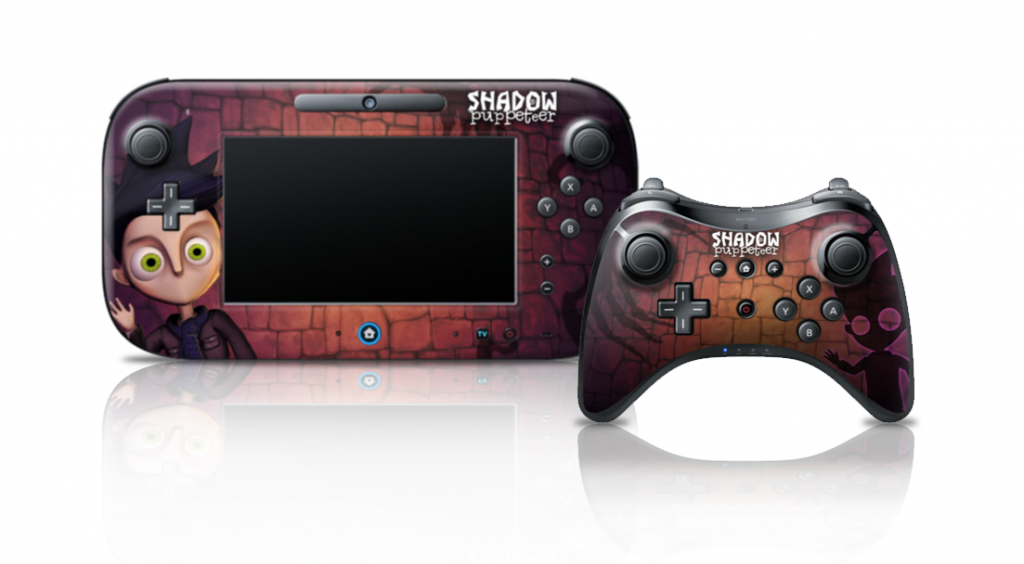
No comments:
Post a Comment